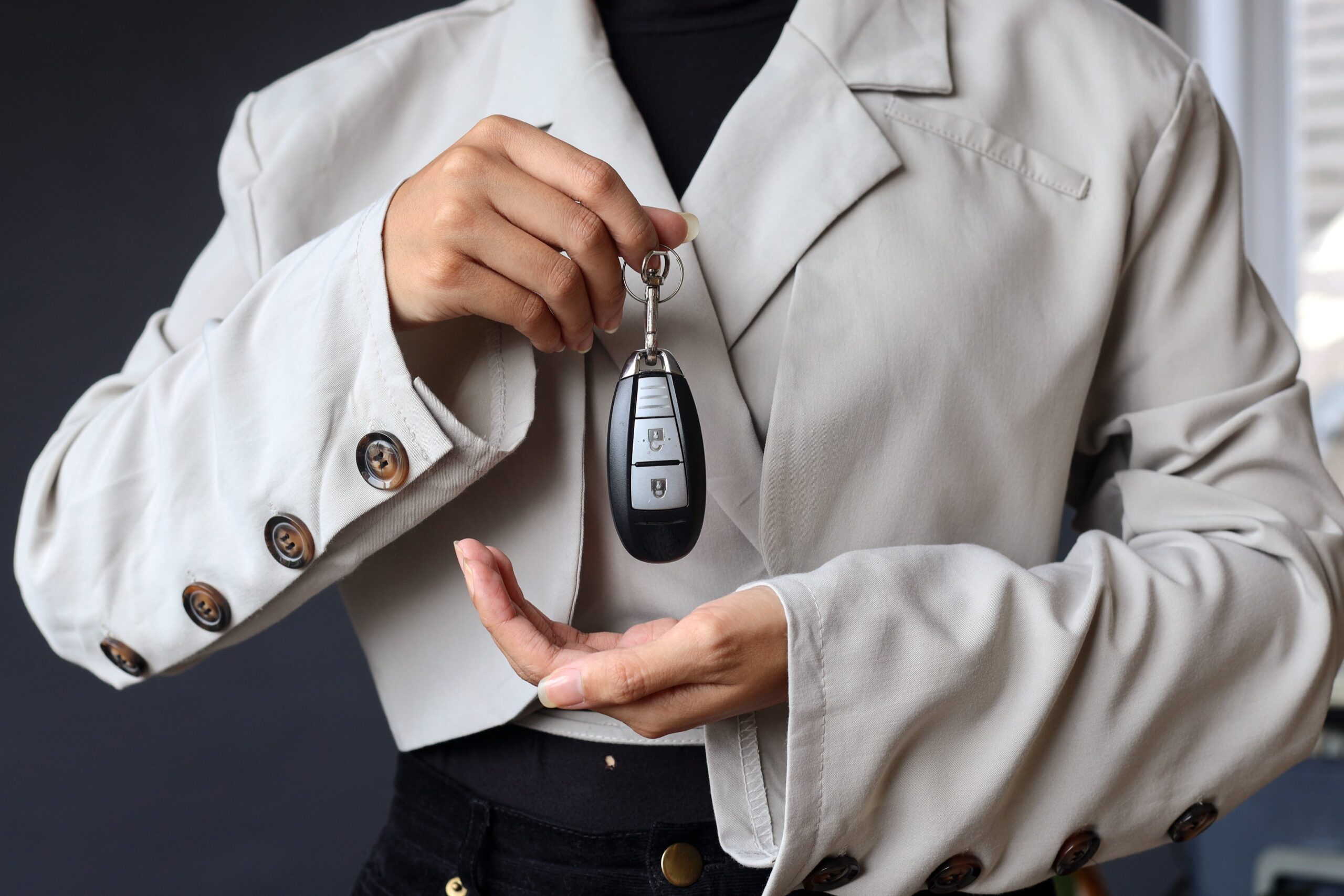
Understanding Programme Car Key: A Comprehensive Guide
In an age where technology continues to evolve, so too does the method we access and protect our vehicles. One such advancement is the programmable car key. For numerous car owners, the introduction of this technology has actually triggered questions about its functions, benefits, and the programming procedure itself. Zorka supplies a thorough look at programmable car keys, including their functions, types, programming approaches, and frequently asked questions.
What is a Programmable Car Key?
A programmable car key is an electronic key fob that enables users to acquire access to their vehicles without a conventional mechanical key. These keys are designed to communicate with the vehicle's immobilizer system, enabling features such as keyless entry, remote start, and even customization of various settings within the vehicle.
Key Features
Programmable car keys normally use numerous significant features:
- Keyless Entry: Unlock your car doors by just pushing a button on the key fob within proximity to the vehicle.
- Remote Start: Start your vehicle from a range, ideal for pre-heating or cooling the cabin.
- Customization: Depending on the vehicle, users may have the ability to tailor functions, like seat settings or environment control preferences, linked to each key fob.
Kinds Of Programmable Car Keys
Programmable keys come in various forms, accommodating different makes and models of vehicles. The most typical types consist of:
| Type | Description |
|---|---|
| Conventional Key Fob | A simple fob that can unlock or lock doors and may offer panic and trunk release functions. |
| Smart Key | Advanced fobs making it possible for keyless start and gain access to, frequently using distance sensors. |
| Valet Key | Limits access to specific functions; often utilized when parking the vehicle with attendants. |
| Mobile Key | Enables the usage of smart devices or wearable devices to gain access to and begin the vehicle. |
The Programming Process
Programming a car key usually includes 2 key actions: synchronization and personalization. Unfortunately, the method can differ substantially depending on the make and design of the car. Below is a generalized outline of programming a car key.
Actions to Program a Car Key
- Get the Right Key: It needs to be a compatible key for your specific vehicle.
- Go into the Car: Close all doors and insert the key into the ignition.
- Turn the Key: Turn the key to the "On" position without starting the engine.
- Wait on Indicators: Observe your dashboard lights; they normally show the programming mode.
- Settle the Process: Follow any particular actions (press buttons, turn the key, and so on) indicated in your user manual or confirmation from the dealer.
Common Programming Methods
- Dealership Programming: The most common approach, where a dealership uses customized devices to program the key.
- Do it yourself Methods: Some vehicles enable owners to program keys without professional aid, using the steps described above.
- Third-Party Devices: The usage of aftermarket gadgets that can program keys for multiple automobiles.
Table: Key Programming Methods Overview
| Method | Pros | Cons |
|---|---|---|
| Dealership Programming | Professional service; ensured outcomes | Might be pricey and time-consuming |
| Do it yourself Methods | Affordable and practical | Needs care and understanding of the procedure |
| Third-Party Devices | Flexible programming alternatives | Potential compatibility issues |
Benefits of Using Programmable Car Keys
As automotive technology continues to progress, the adoption of programmable car keys comes with numerous benefits:
- Enhanced Security: Advanced file encryption technology makes it difficult for burglars to replicate or hack the key signal.
- Convenience: Keyless entry and ignition systems offer added convenience and ease, particularly in hands-free scenarios.
- Modification: The ability to customize vehicle settings according to specific choices includes a customized experience for each motorist.
Frequently Asked Questions (FAQs)
1. Can I program my car key myself?
While some car keys can be programmed by the owner, many modern automobiles require specialized devices that only dealerships or qualified locksmith professionals have access to.
2. What if my key fob is not working?
If your key fob is unresponsive, it could be due to a dead battery. Try replacing the battery initially. If the problem persists, reprogramming or professional support may be necessary.
3. How lots of keys can be programmed to a car?
The number differs depending on the make and design of the vehicle. A lot of modern-day cars enable a minimum of 2 to 4 keys to be programmed.
4. Is it expensive to change my car key?
Replacement key expenses can differ commonly based on vehicle type. Simple keys may cost a very little fee, while wise keys can be significantly more costly due to advanced innovation included.
5. Are all key fobs universally compatible?
No, key fobs are not universally suitable. It is essential to get a key fob that is particularly designed for your vehicle's make and model.
Programmable car keys represent a considerable advancement in automotive innovation, offering enhanced security, convenience, and personalization for vehicle owners. As automobiles continue to progress, understanding how these keys work and the benefits they offer will help car owners maximize their vehicle's functions while enjoying comfort in their automotive security. Whether going with dealership programming or attempting a DIY approach, understanding about programmable car keys empowers users to make informed choices regarding their car's gain access to and operations.